

DreamBox en Español
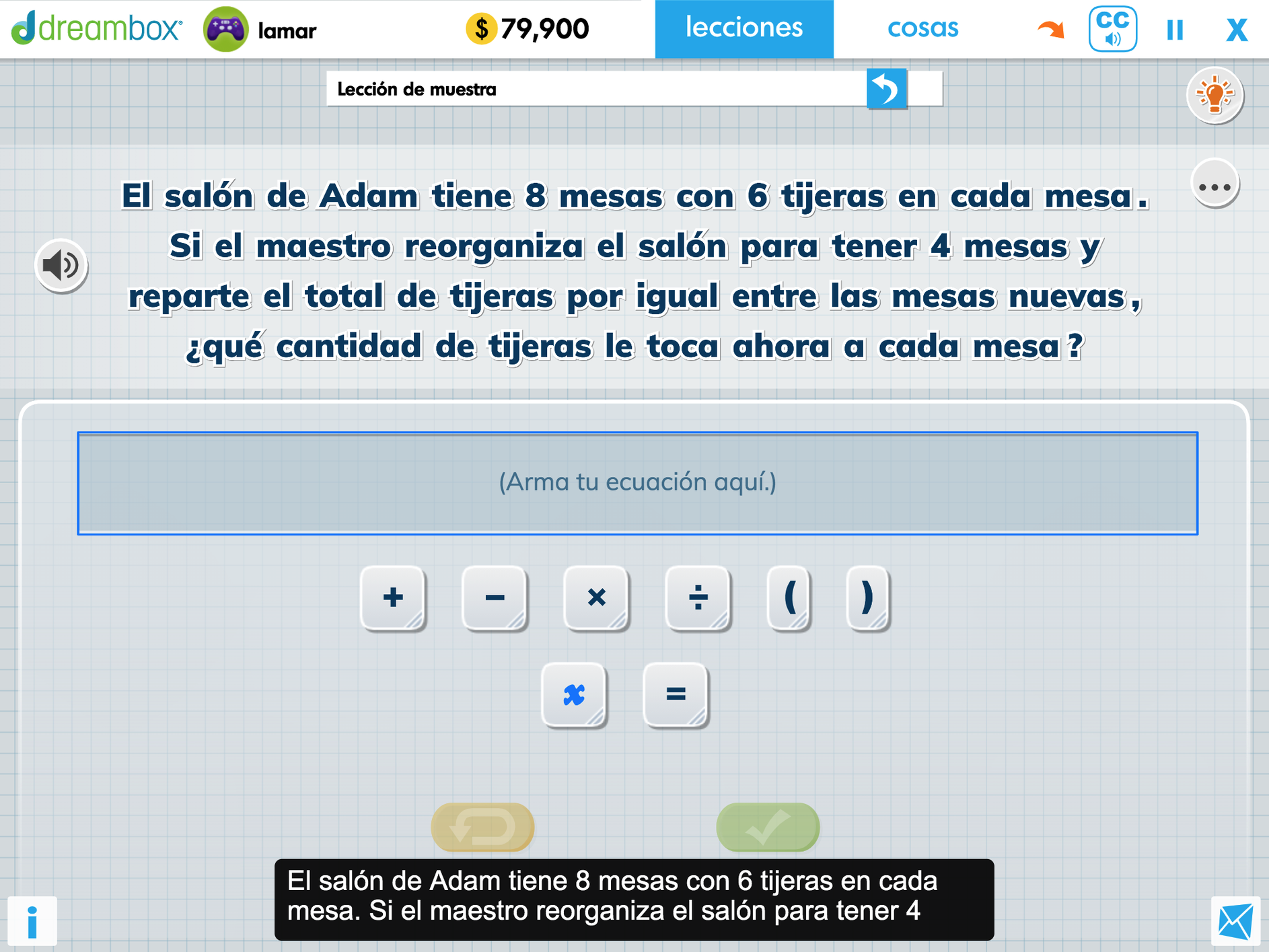
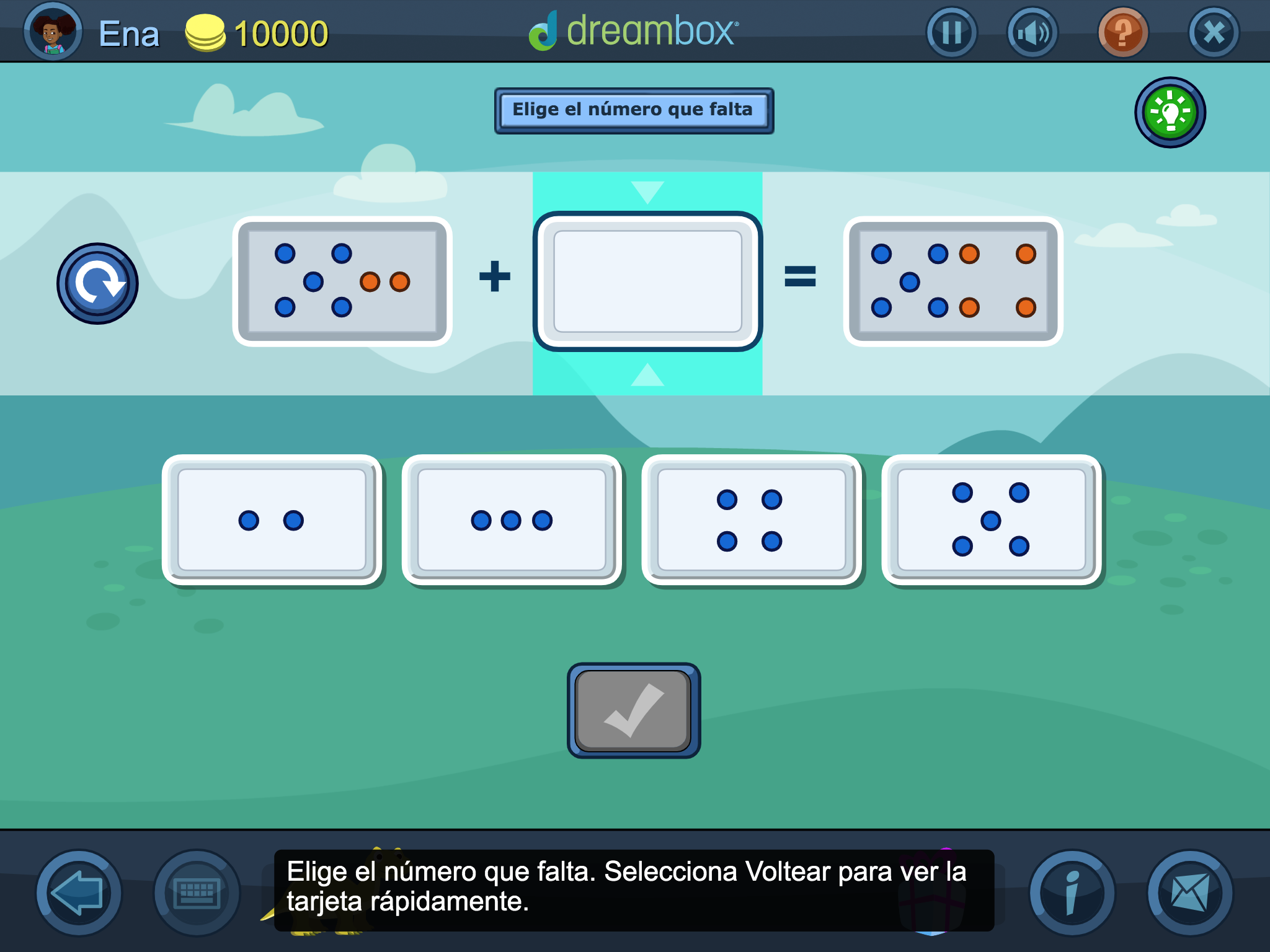
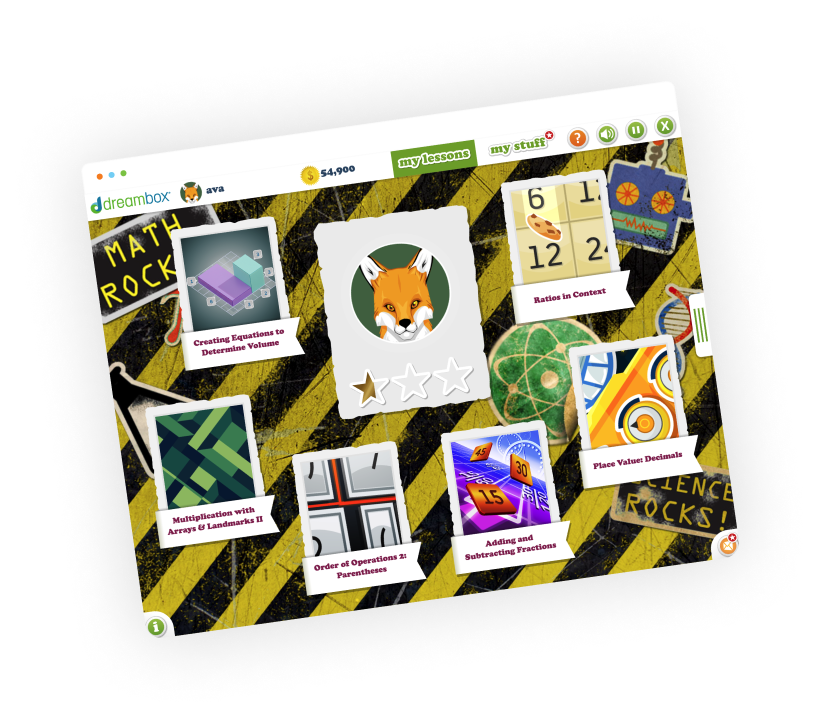
Give Spanish-speaking students an equitable and engaging math curriculum. DreamBox is the only K–8 math program with 100% of lessons, voiceovers and closed captions all in Spanish.
MATH THAT’S EQUITABLE AND ENGAGING
100% in Español, 100% accessible
From user experience to voiceovers and captioning, every DreamBox lesson is available in Spanish—all controllable by teachers.
SUCCESS EN ESPAÑOL
ELL Elementary students see math scores soar
At Aldeane Comito Ries Elementary School, where 96% of students are ELL, 1st graders saw an average of two years’ growth with DreamBox.
Give Dreambox a Spin
Need more help building math confidence in Spanish-speaking students?

DreamBox Learning takes children from whereever they are to where they want to be by transforming the way they learn.
Sales (844) 725-9569
Support (833) 228-2044
DreamBox Learning Apps
Elevate your DreamBox experience on iPad. With the DreamBox Math app, we've simplified your student learning experience


