

Inspire Lifelong Learning
Every student is unique. Learning paths should be too.
Differentiate instruction at scale with personalized math and reading programs to accelerate learning.
Request a Demo


Proven Proficiency Boost
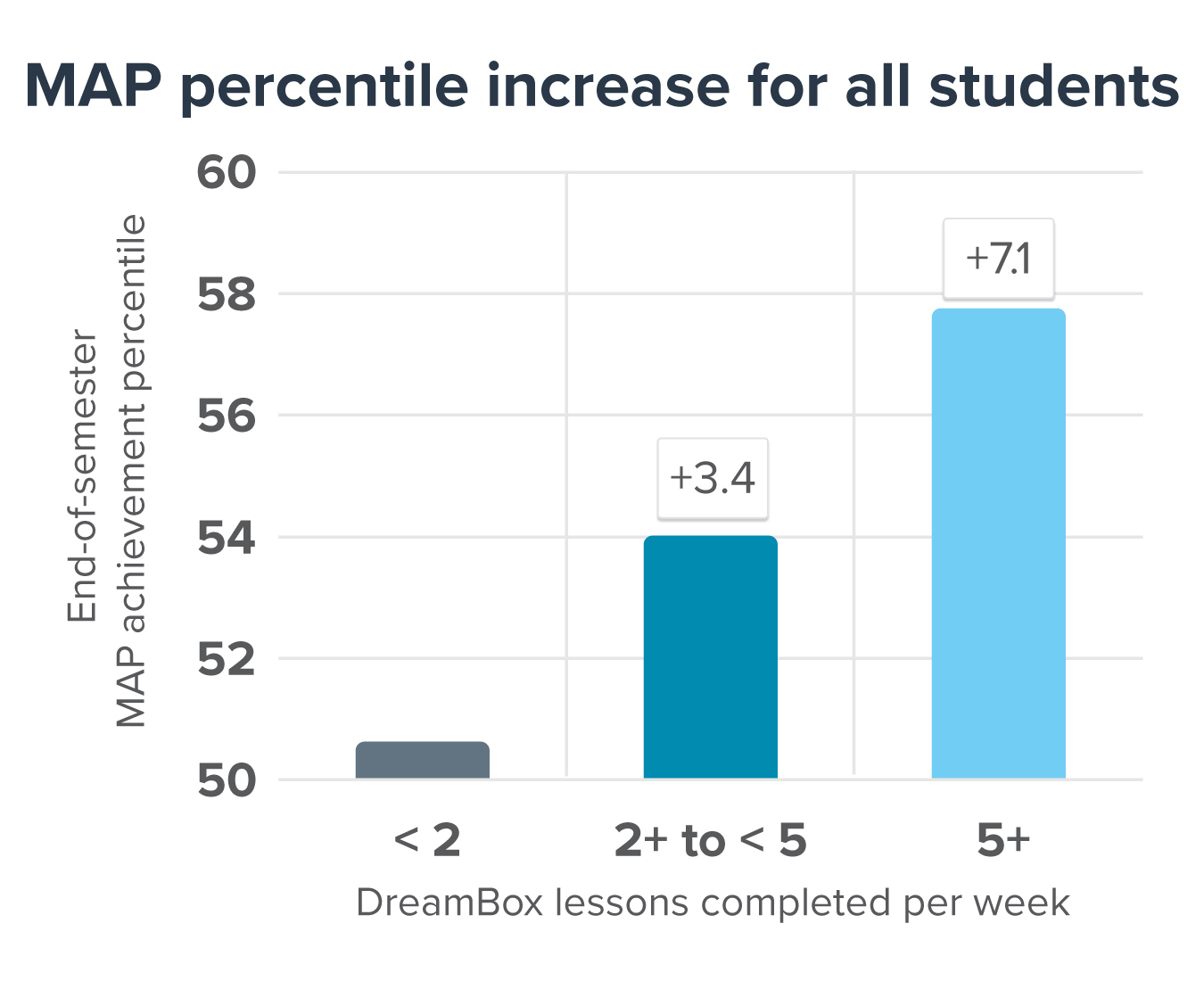
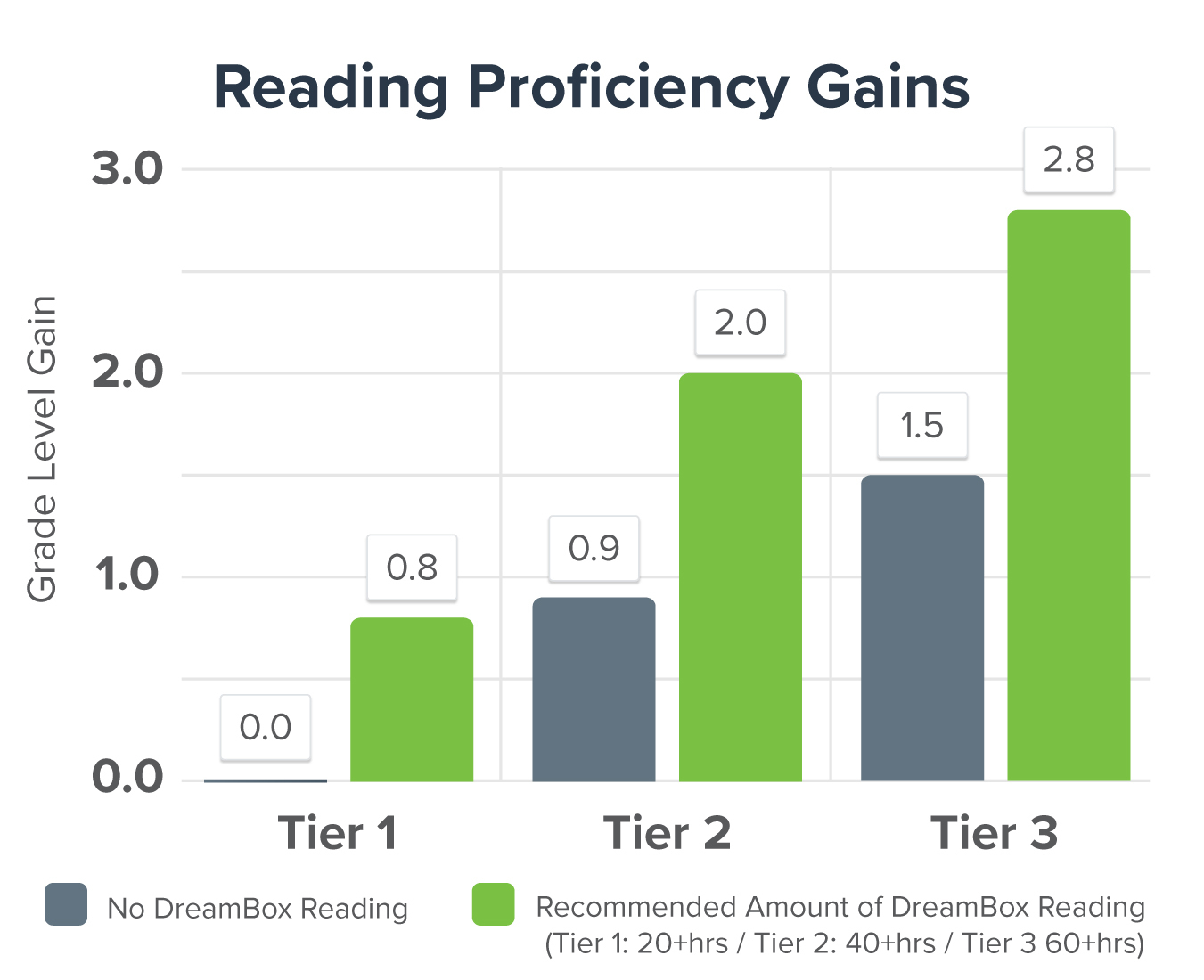
On average, striving students using DreamBox Reading with fidelity achieve 2.5 years of growth in one school year.
Learn More
How Dreambox helps your students
Truly adaptive learning gives student confidence and competence
Professional Development
Take instructional practice to the next level
Empower educators through continuous learning and strengthen instructional practice to ensure a successful implementation.
Learn More

Data & Analytics
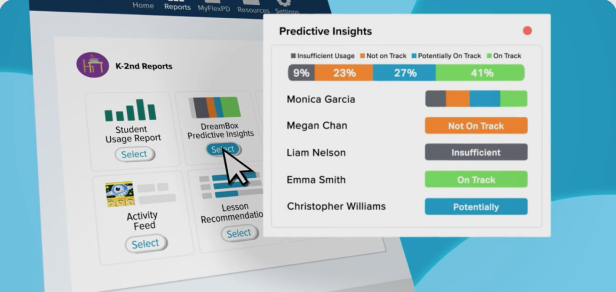
Smart insights to drive success for everyone
Real-time, actionable data empowers educators to track DreamBox's impact on student outcomes and personalize learning.
Learn More
Make Summer Count
DreamBox makes it easy to hit the ground running with summer learning
Jumpstart your school year with DreamBox. Get math and reading gains in just eight weeks.
Learn more

Positive impact for all learners
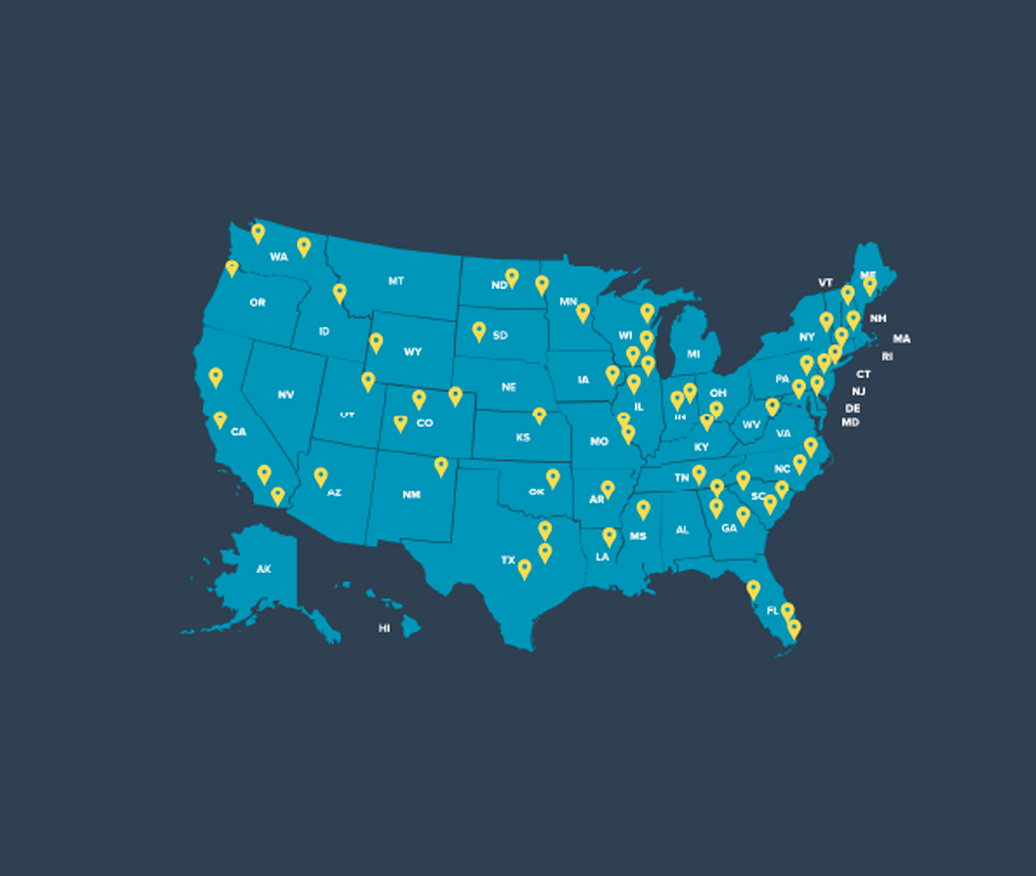
See how DreamBox programs drive student outcomes across the nation
Explore the interactive map to discover case studies, access efficacy research, and hear from educators from every type of district.
Get started
Give Dreambox a Spin
Ready to see why DreamBox Learning is right for you and your students?

DreamBox Learning takes children from whereever they are to where they want to be by transforming the way they learn.
Sales (844) 725-9569
Support (833) 228-2044
DreamBox Learning Apps
Elevate your DreamBox experience on iPad. With the DreamBox Math app, we've simplified your student learning experience


