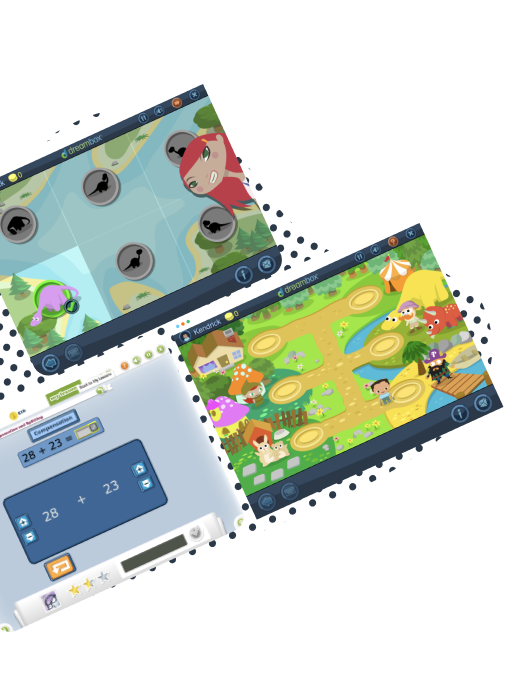
Blended learning —the powerful combination of face-to-face and online interaction— is being adopted across the country to speed and enhance elementary teaching and student learning. Deliver personalized instruction in the classroom and at home for all your students, regardless of level or ability with adaptive learning technology and other blended learning software.
There are six different models of blended learning:
Face-to-Face Driver - The teacher decides when to implement online learning on a case-by-case basis, to help supplement the curriculum.
Rotation - In this model, students move on a fixed schedule between online learning (which is most often self-paced) and traditional teacher instruction in a classroom.
Flex - With this method, the online platform dominates student instruction. On-site teachers provide support as needed through tutoring or small-group sessions.
Online Lab - Courses are taught entirely online. Labs rely heavily on software modules, but online teachers are also available.
Self-Blend - Most often seen in high schools across the country, the self-blend model lets students take online courses to enhance traditional classroom learning.
Online Driver - This program is designed so that an online platform delivers the entire curriculum. Check-ins with a teacher are often optional; occasionally they are mandatory.
The personalization of this content is crucial to the success of the child and the program; it cannot be a one-size-fits-all model, but must be a one-size-fits-one solution.
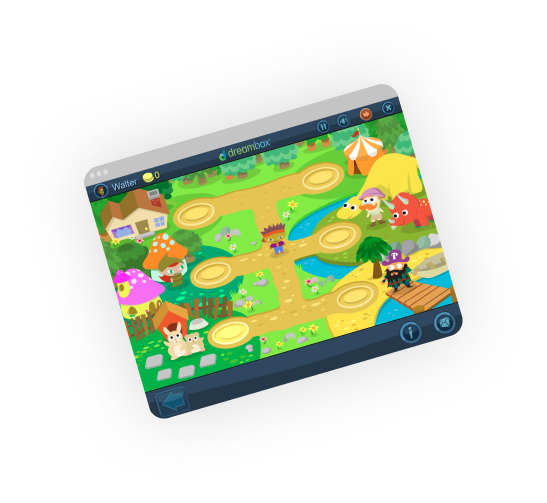
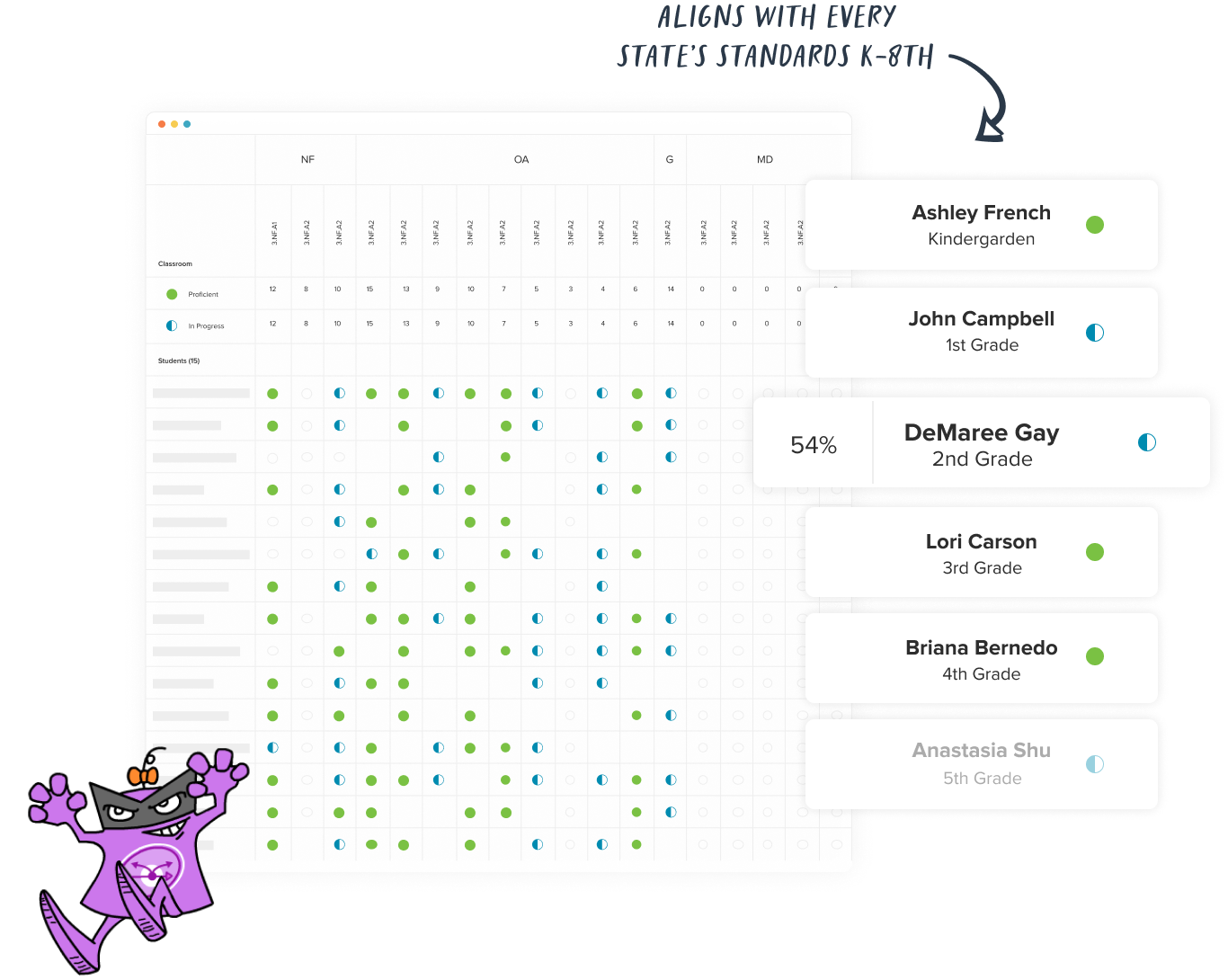
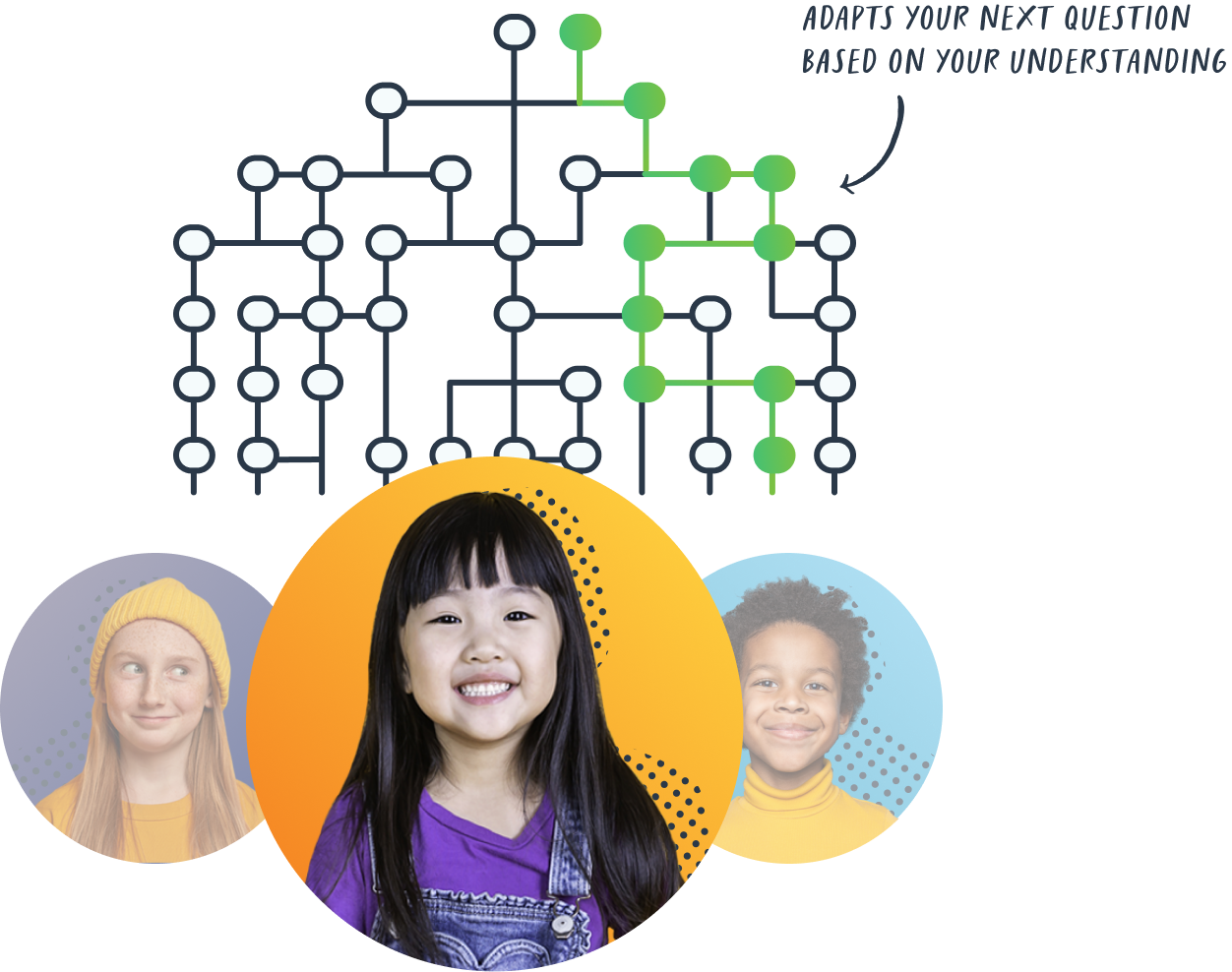
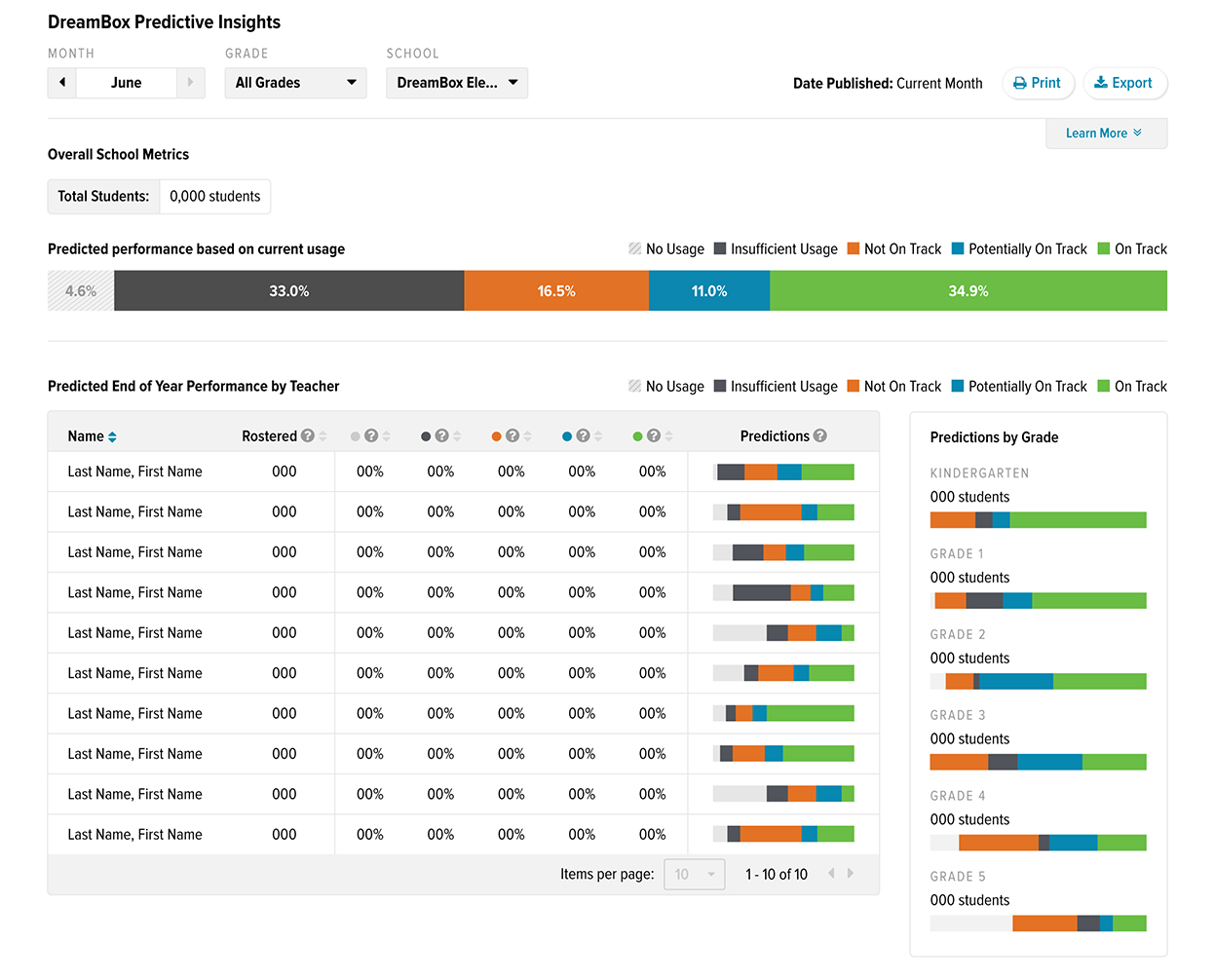
To be successful in implementing blended learning, a key component is the ability to deliver and capture data in real time. Intelligent Adaptive Learning, pioneered by DreamBox Learning, is a technology that assesses in real-time every interaction the student makes. Instruction for each student is optimized as it is being delivered. Immediate, personalized assistance can be offered and the level of difficulty adjusted based on real-time data.
Learn how to get started, how to choose the right blended learning solution and how others are using blended learning to provide a personalized learning experience at their school:
White Paper: Introduction to Blended Learning for Elementary Schools – Learn what blended learning for elementary schools really means, what the benefits of implementing blended learning are, how to get started and how to choose a blended learning solution for math.
Webinars: Introduction to Blended Learning – View this webinar recording and attend other future blended learning webinars at our Edweb.net blended learning community.
Case Study: Embracing Blended Learning – IDEA Public Schools decided to create a true blended learning model in order to increase the velocity of learning for their students. They restructured the core curriculum in every classroom and embraced a blended learning approach.
Blended Learning Community: http://www.edweb.net/blendedlearning – a professional learning community that helps educators learn how to use online learning tools to best create a hybrid learning environment that promotes personalized learning for students to improve learning outcomes.
Blog: http://www.dreambox.com/blog - read ongoing blog posts on the topic of blended learning at the DreamBox blog or at our EdWeb.net community blog.