Kindergarten Readiness Guide: Tips & Assessment
Prepare your child for the classroom with our essential guide to kindergarten skills and assessments.

Author
Tess Loucka

Published:
March 2026
Key takeaways
- • The kindergarten readiness assessment measures skills in four categories: cognitive, social-emotional, physical, and language.
- • The kindergarten readiness assessment is about 30 minutes to an hour long and usually takes place in your child’s school during the first weeks or months of the school year.
- • The purpose of the kindergarten readiness assessment is to understand your child’s current state, but it does not represent their lifetime intelligence.
For many families, the first day of kindergarten comes with a lot of excitement, some stress, sometimes tears, and plenty of photos for the family album. But what many parents don’t realize is that setting children up for kindergarten success takes a lot more than just a well-stocked backpack.
Kindergarten is a child’s first year of primary school, and with it comes a handful of new challenges and expectations.
So, what exactly goes into preparing your child for kindergarten?
What do they need to know before they step into the classroom?
Let’s go over everything you need to know about kindergarten readiness!
What is kindergarten readiness?
Being ready for the kindergarten classroom takes work! Every child is different, and while some may find the transition from Pre-K to kindergarten easy, others may struggle every step of the way. That’s where kindergarten readiness comes in.
For parents of kindergarten-aged children, kindergarten readiness is the perfect tool for ensuring your child is ready on the first day of school.
So, what is kindergarten readiness?
Kindergarten readiness is the term used to represent the preparedness of children as they enter the kindergarten classroom. It measures four different skill categories—cognitive, social-emotional, physical, and language.
Let’s take a closer look at these four categories and see what specific kindergarten skills fall under them.
1. Cognitive Skills
Before kindergarten, children should be able to:
- Write their name
- Properly handle books
- Say the alphabet and recognize most letters and their sounds
- Understand when words rhyme
- Use numbers up to 10 to count
- Recognize basic shapes
- Organize objects by color, shape, or size
2. Social-Emotional Skills
Before kindergarten, children should be able to:
- Respectfully listen to others
- Follow instructions
- Separate from their caregiver without being upset
- Pay attention to adult-led activities for at least five minutes
- Share & take turns
- Be kind to others
3. Physical Skills
Before kindergarten, children should be able to:
- Comfortably use writing utensils
- Put together simple puzzles
- Use scissors
- Draw basic shapes
- Hop on one foot and two feet
- Run
- Throw, catch, and bounce a ball
- Climb up and down stairs
- Use the bathroom on their own
- Using a tissue
- Get dressed without help
4. Language Skills
Before kindergarten, children should be able to:
- Express their needs and wants using words
- Speak in full & clear sentences
- Make comparisons
- Speak in their “inside voice”
The kindergarten readiness skills list may look long, but don’t worry—most of these skills can be learned naturally through simple, daily activities and play!
Table of contents
Strengthen your math skills with DreamBox
Kindergarten Math Resources
See how DreamBox can help your kindergartener with math.
How can you help your child prepare for kindergarten?
Prepping for kindergarten can be a lot of fun with the right mindset!
Children are always learning, especially at kindergarten age. Their brains are like sponges, soaking up information on everything they see, hear, touch, smell, and taste. Everything is a learning experience for them, and as their parent or guardian, you can use that to their advantage.
Focus on giving your child as many different experiences as possible before their first day of kindergarten. The more they experience and learn about the world, the better off they’ll be!
If you’re not sure where to start, try these simple yet effective activities:
- Read together – Not only does reading to your child strengthen your bond, but it also can improve their vocabulary, cognitive function, listening skills, and social-emotional skills.
- Get your child to draw – Drawing is a great way to practice holding and controlling writing utensils. You can even give your child letter stencils to introduce the concept of writing.
- Teach self-care tasks – You can boost your child’s independence by giving them the freedom (and challenge) to do certain tasks on their own, like using the bathroom, opening their lunchbox, and dressing themselves.
- Get them on schedule – Before kindergarten, most children aren’t aware of time, schedules, or the concept of being late. Before school starts, get your child on a schedule that includes strict times for getting up, eating, playing, and going to bed.
- Socialize your child – Give your child opportunities to play with other children by setting up playdates, bringing them to the park, or signing them up for play groups, afterschool programs, and classes.
- Get them outside – Playing outside is a great way to boost motor skills. Take your child to a playground, toss a ball back and forth, or start teaching them to play a sport!
Watch educational shows – If you allow your kids to have screen time, turn it into learning time! Have them watch educational shows, play online reading games, or complete activities on online math apps to give them a head start in the classroom.
What is the kindergarten readiness assessment?
Also known as the kindergarten entry assessment (KEA) or kindergarten entry inventory, a kindergarten readiness assessment (KRA) is an assessment conducted by kindergarten teachers to measure children’s skills in the four areas mentioned before: cognitive, social-emotional, physical, and language.
The KRA can be administered by kindergarten teachers or other educational professionals and usually takes place in a school classroom during the first weeks or months of the school year. Parents and guardians may be asked to be present during the assessment, but this is not always the case.
The assessment will last around 30 minutes to an hour and will include observation of your child at play or doing other school activities, standardized tests involving shape/number identification and fine-motor tasks, and often parent or guardian interviews.
If the thought of being interviewed scares you, just keep in mind that there are no “right answers.” The KRA is meant to help you and your child, not hurt you.
How do you prepare your child for the kindergarten readiness assessment?
This isn’t something children need to “study” for. It’s a behavioral assessment above all, helping your child’s teachers and school better understand how they should approach teaching.
Prepping for the kindergarten readiness assessment content isn’t something you should worry about—just make sure your child can follow instructions and be respectful.
The KRA often makes even the most experienced parents nervous. Some may view it as judgmental, too rigid, and impersonal. After all, every child is different, so why should they all be measured in the same way?
The reality is, the KRA is nothing to be nervous about. Its purpose is simply to see where your child is in their growth and education so that they get put on the right educational track going forward.
The KRA tests for delays and giftedness, can lead to referrals for educational or behavioral services, helps teachers design more effective lessons, and collects data that can be used to improve education nationwide.
The best way to prepare your child for the KRA is to simply motivate them to 1) be on their best behavior, 2) be confident, and 3) be themselves!
What do the kindergarten readiness assessment results mean?
The results of the kindergarten readiness assessment are meant to give you a snapshot of your child’s current learning stage. They will tell you what areas in which your child thrives and/or struggles, and sometimes provide strategies for improvement.
Remember, the KRA is not a school entrance exam, nor is it a measure of their intelligence. Children learn at different speeds, and the scores your child gets on their KRA will likely not reflect their overall intelligence in life.
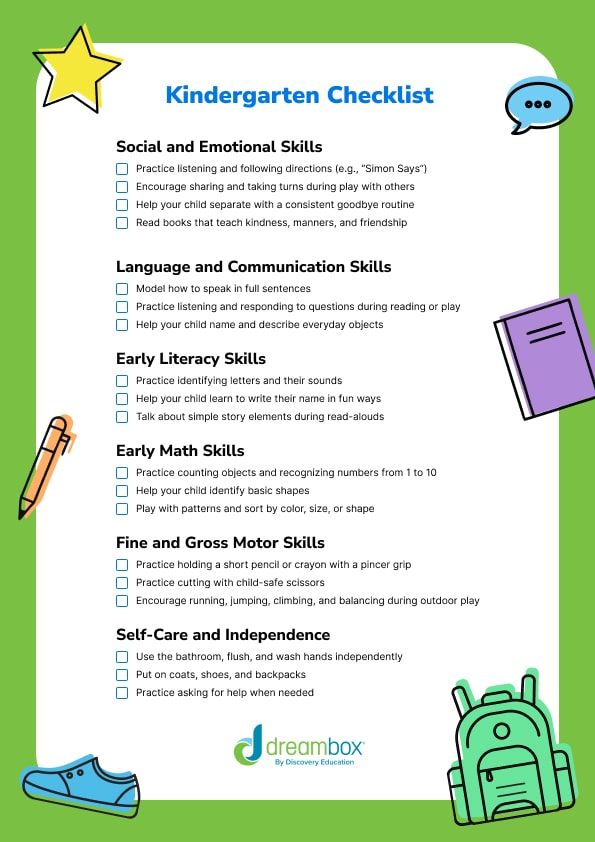
Kindergarten Readiness Checklist
Still not sure how to get your child kindergarten-ready? Check out our kindergarten readiness checklist with all the skills your child will need going into their first day.
The math program that drives results
Get started today!
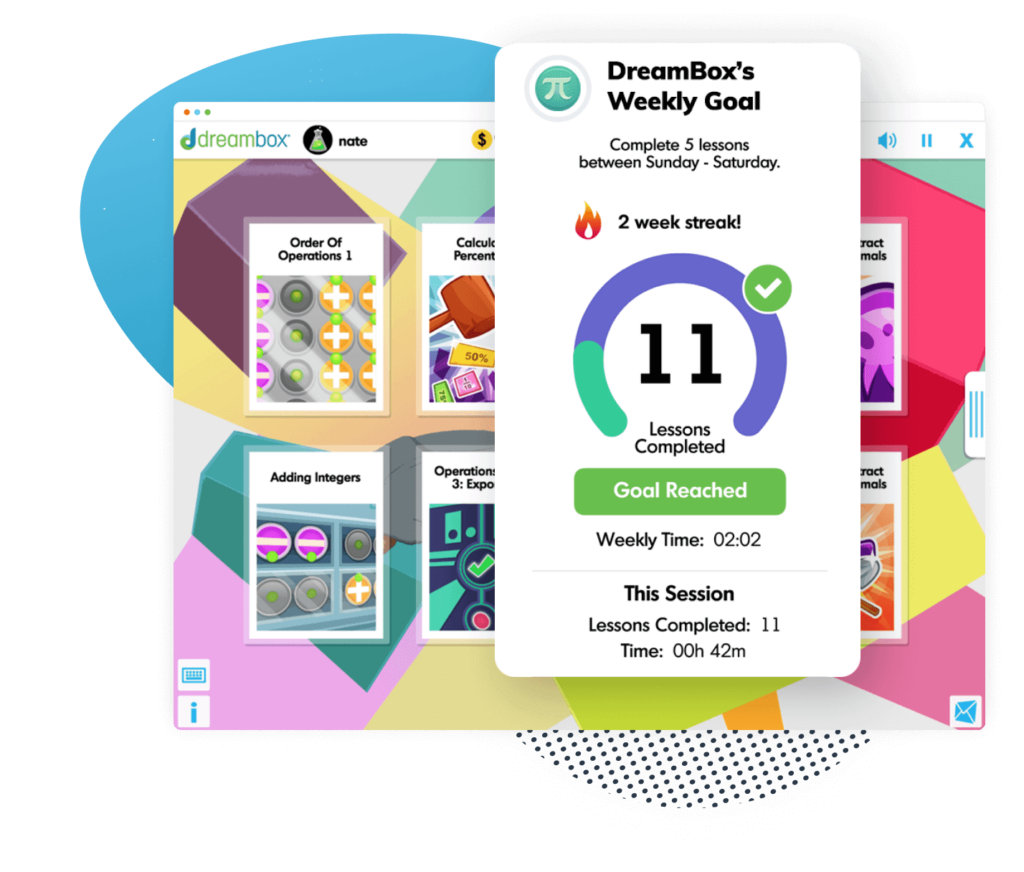
DreamBox adapts to your child’s level and learning needs, ensuring they are appropriately challenged and get confidence-building wins.
About the Author
Tess Loucka
Tess Loucka discovered her passion for writing in high school and has not stopped writing since. Combined with her love of numbers, she became a math and English tutor, focusing on middle- and high-school-level topics. Since graduating from Hunter College, her goal has been to use her writing to spread knowledge and the joy of learning to readers of all ages.