2nd Grade Math Lesson Plan
Master measurement with this hands-on 2nd grade lesson plan featuring interactive stations and practical tool-selection activities.

Author
Katie Wickliff

Published:
March 2026
Key takeaways
- • In 2nd grade math, students learn how to choose appropriate measurement tools
- • Hands-on activities are an effective way for 2nd graders to practice measurement skills
- • Developing accuracy in measurement helps students build confidence and apply math to real-world situations
By 2nd grade, students know how to compare sizes and determine if something is lighter, heavier, taller, shorter, or longer. Second grade measurement builds on this knowledge by introducing standard units of measurement, such as centimeters, inches, and feet. With this, students learn to use a variety of measuring tools to measure everyday objects they encounter in the real world. Measuring takes consistent practice, and this sample lesson provides a hands-on opportunity for students to strengthen their skills by choosing the appropriate tool and measuring accurately. Feel free to use this lesson as written or adapt it to meet the needs of your unique learners.
Sample 2nd Grade Measurement Lesson
Lesson Objectives
The learning objectives for this lesson are based on S.M.A.R.T. goal setting criteria:
Specific
By the end of the lesson, students will accurately measure classroom objects using appropriate tools.
Measurable
Students must correctly measure 4 out of 5 classroom objects, demonstrating at least 80% accuracy on their recording sheet.
Achievable
Second grade students have already been introduced to measurement concepts and tools: rulers, yardsticks, and measuring tape. A small visual “tool choice” card will be available for students who need extra support.
Relevant
This lesson aligns with Common Core 2nd grade Mathematics Standard Measurement and Data: Measure the length of an object by selecting and using appropriate tools such as rulers, yardsticks, meter sticks, and measuring tapes.
Time Bound
By the end of this 45-minute lesson, students will demonstrate understanding through active participation, partner practice, and accurate individual work.
Assessment
No summative assessment here; formative assessments throughout the lesson include partner work and completing an individual measurement recording worksheet. The teacher will circulate the room to check for understanding and correct misconceptions.
Materials Needed
- Rulers (enough for each student)
- Yardsticks
- Measuring tapes
- 5-6 numbered stations with one object at each
- Recording sheet (do you want me to include an example??)
- Printed picture of a cereal bowl
- Printed pictures of a spoon, a knife, and a straw
Table of contents
Strengthen your math skills with DreamBox
Lesson Procedure
Hook/Introduction
Tape the pictures of cereal, spoon, knife, and straw on the board. Tell the students:
“In our measurement lesson today, we’ll be learning to use the right tools. Just like you would choose the right tool to eat your bowl of cereal– a spoon–because the other two options aren’t right for that particular food, choosing the right way to measure objects is very important.
Ask students to share what measuring tools they already know.
After they answer, briefly review what tools they’ll use today and when each is typically used:
- Ruler: small objects
- Yardstick: medium or long straight objects
- Measuring tape: medium, long, or flexible objects
Learning Activities
Direct Instruction
To introduce the activity, place a pencil on the table. Ask students to turn to their desk partner and discuss which tool they would use to measure the length and why, then choose students to share with the class. Do this with each tool.
Before moving to guided and independent practice, address any confusion. Ask questions like:
- “If I wanted to measure a crayon, would I use a yardstick?”
- “Can some objects be measured with more than one tool? Why or why not?”
- “If an object is longer than my ruler, what could I do?”
- “If two students measure the same object and get different answers, what might have happened? What would you do next?”
Guided Practice
Set up sample objects at the front of the classroom. Have student volunteers measure the objects, ensuring that the rest of the class can see the hatch marks on the tools. (Depending on the size of the class, you may need to magnify the tools on a projector or smart board). With your help, encourage students to explain their thinking and model how to write their answers on the recording sheet.
Before independent work, do a “fist to five” where students hold up a certain number of fingers to demonstrate their understanding. Review if needed.
Independent/Small Group Work
To prepare, place objects around the room at numbered stations. Examples of objects:
- box of markers
- Desk
- Door
- Book
- Glue Bottle
- Whiteboard
- Square rug
Students work in pairs and rotate to each station, where they must:
- Discuss which tool works best
- Measure the object– each must measure individually
- Compare answers and remeasure if needed
- Record their measurement and the tool used
As the students work, visit each station to check for understanding, and provide scaffolding or challenge where needed. Here are a few ideas:
Optional Support:
- A small visual reference card showing pictures of the measuring tools and reminding students which tool works best for different-sized objects.
- A checklist of reminders, such as: start at 0, hold the tool straight, and carefully write the number and the unit.
Optional Challenge:
- An extra recording sheet where students must measure the same object with a second tool, compare the results, and determine which tool was best and why.
- Prior to measuring, students must make an estimate and then compare it with the actual measurement.
Wrap Up
As a whole class, review the completed worksheets, asking for volunteers to share their answers. Encourage the students to reflect on their work with questions like:
- What is one new thing you learned about measurement today?
- Were any of the tools easier to use than others? If so, which ones?
- Did you ever get a different answer than your partner? What did you do next?
Teacher Reflection for Measurement Lesson
Asking yourself the following questions after the lesson will help you reflect and make adjustments as needed
- What went well? How do I know?
- Did the students meet the learning goals? What evidence do I have?
- Did anything surprise me during the lesson?
- How did the students respond to the extra support/challenges?
- Would I adjust the pacing next time?
- Do my students need more practice with this specific skill?
For more measurement practice, head over to Dreambox Math. There, your students will find a fun, interactive online math program tailored specifically to their needs.
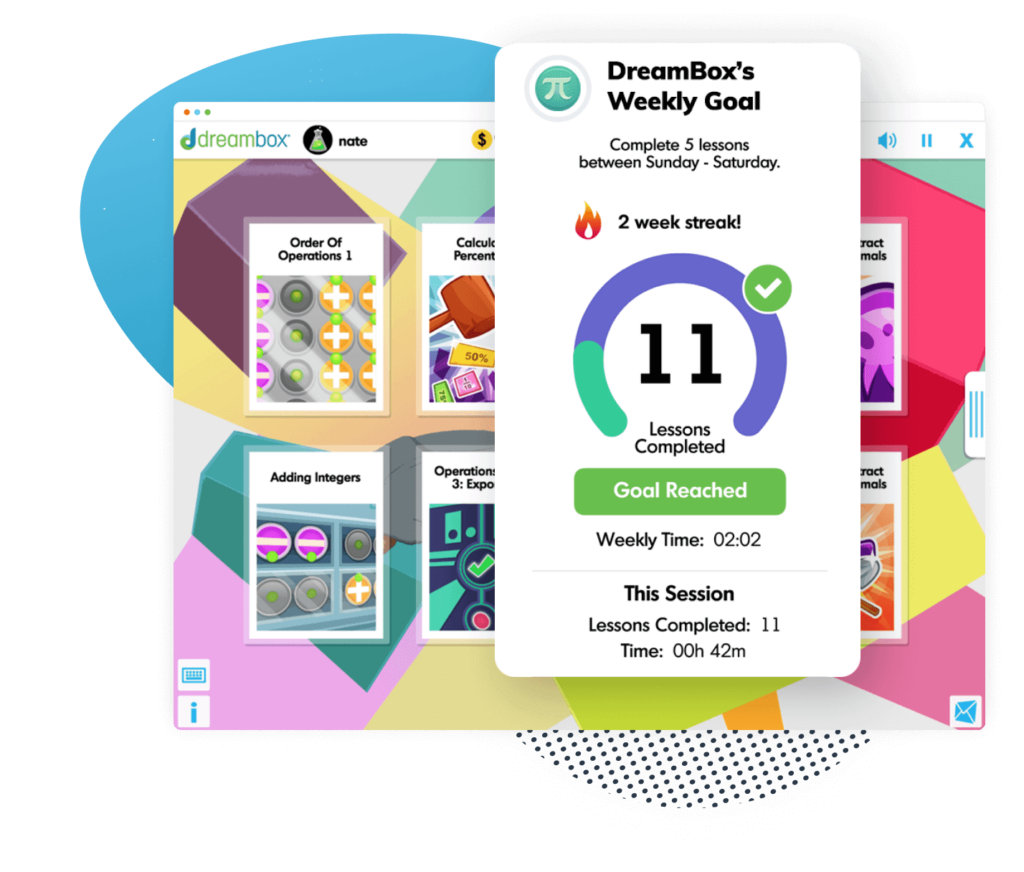
The math program that drives results
Get started today!
DreamBox adapts to your child’s level and learning needs, ensuring they are appropriately challenged and get confidence-building wins.
About the Author
Katie Wickliff
Katie holds a master’s degree in Education, has over 15 years of education experience as a primary classroom teacher, and is Orton-Gillingham certified tutor. Most importantly, Katie is the mother of two primary school students, ages 8 and 11. She is passionate about maths education and firmly believes that the right tools and support will help every student reach their full potential.